Creativity with Purpose: A Visit to Brazil's National Institute of Technology
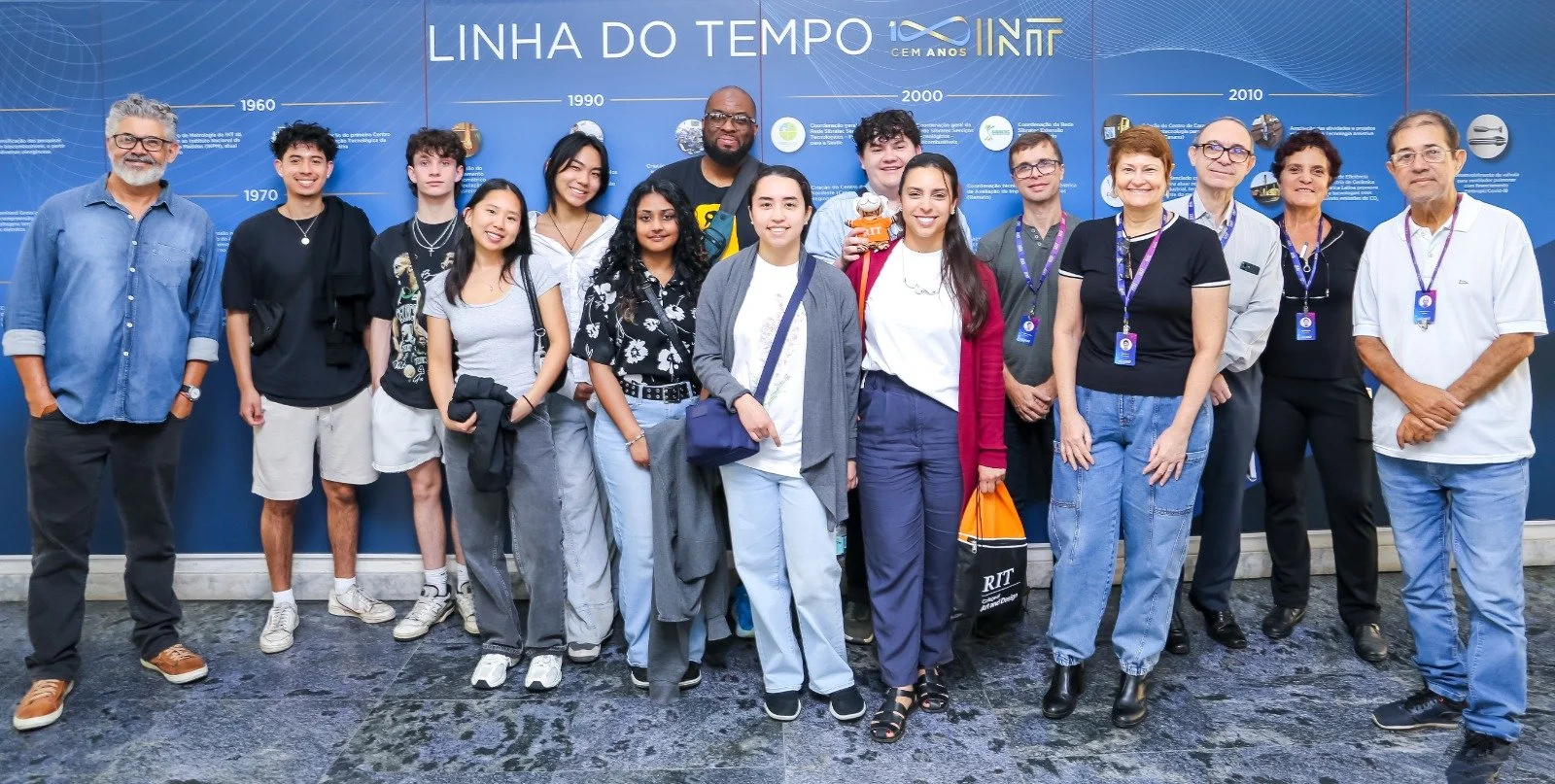
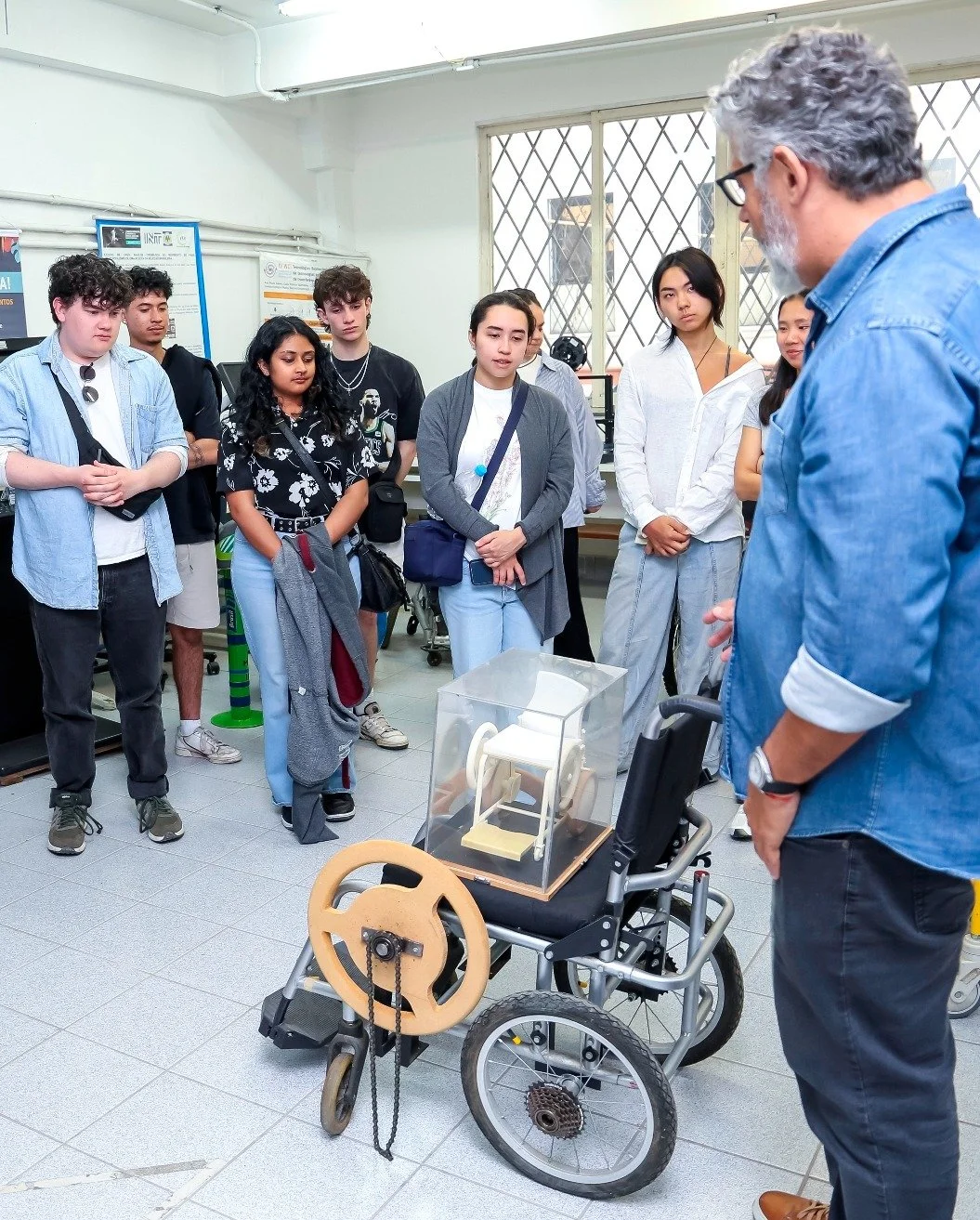
One of the many stops during my time in Brazil was the National Institute of Technology (INT) in Rio de Janeiro. While much of my journey focused on museums, architecture, and the visual arts, this visit offered a different perspective on creativity. At INT, I saw how design, engineering, and research come together to solve real human problems. Our group learned about the institute's history before touring its Industrial Design Division, where researchers demonstrated how 3D modeling and printing are being used to develop assistive technologies for people with disabilities. From prosthetics and orthotics to mobility devices, the work being done there is centered on improving quality of life and expanding access for those who need it most.
As an artist, I often think about creativity as a way of preserving memory, telling stories, and helping people see the world differently. What I experienced at INT reminded me that creativity also has another responsibility. It can restore movement, create independence, and improve everyday life. Watching designers and engineers work together to develop practical solutions reinforced the idea that creativity is not limited to the studio or gallery. Whether it's a painting on a wall or a device that helps someone walk again, both begin with the same question: How can we make life better for another human being?
I left the institute with a deeper appreciation for the role that artists, designers, engineers, and researchers all play in shaping society. We often think of these disciplines as separate, but at their best, they share the same foundation. They begin with observation, are driven by empathy, and rely on imagination to create something that didn't exist before. That visit became one of the clearest examples I encountered in Brazil of how creativity, when paired with purpose, can have a lasting impact on people's lives.