You don’t educate a mind by adding to it—you educate it by helping it see itself.
I’ve spent enough time in classrooms, studios, and prison spaces to know most people got the wrong idea about education. Too often it’s treated like you’re supposed to give somebody something they don’t have, like you’re pouring into an empty vessel. But that’s not what I’ve seen. Where I come from—the South Side of Chicago, with Mississippi sitting right behind that in how I was raised—you learn early that people carry things. Stories, habits, ways of seeing, ways of surviving. That didn’t come from school. That came from life. So when I walk into a room to teach, I’m not thinking about what I can add to somebody. I’m paying attention to what’s already there, just waiting to be recognized.
That becomes even clearer in prison spaces, where I’ve taught both art and life skills to help guide men toward better outcomes. A lot of them have been told, directly or indirectly, that they are what their worst decision says they are. So they sit down already closed off, already convinced there’s nothing in them worth developing. I’ve seen it over and over—blank page, blank stare, arms folded. “I can’t draw.” “That ain’t me.” But if you stay with it and ask the right questions, something starts to move. Where you from? What did you see growing up? What stayed with you? Then a memory comes up. Then a line hits the page. Then another. And before long, they’re looking at something they made, and it doesn’t match the story they’ve been telling themselves. That moment right there, that’s education.
It’s the same with life skills. You can’t just hand somebody a list of what they should do differently and expect it to stick. People don’t change because they were told what’s right. They change when they start to see themselves differently—when they recognize their patterns, their choices, their habits of mind. My role in that space isn’t to lecture. It’s to help them slow down long enough to see clearly—the discipline they’ve used to survive, the awareness they’ve developed, the instincts that kept them going. Once they see that, you can start building. But not before.
That’s how I came into art myself. Not through some clean, straight path, but through experience. Through movement between places. Through memory that doesn’t sit still. Mississippi is in me whether I’ve lived there or not. Chicago shaped how I see space, rhythm, pressure, survival. All of that shows up in the work. So when I teach, I’m not trying to shape people into some idea of what an artist is supposed to be, or what a “better person” is supposed to look like. I’m trying to get them to recognize that they already come with something. Something real. Something worth building from.
Once a person sees that, you don’t have to push them. You don’t have to convince them to care. They lean in on their own. That’s the fire people talk about, but it isn’t something you light from the outside. It’s already there. Most people have just been taught to ignore it, or to see themselves through somebody else’s definition. So the work, for me, is simple to say but hard to do right: create a space where people can see themselves clearly. Not who they were told to be, not who they think they’re supposed to be, but who they actually are when they sit still long enough to recognize it. That’s education. And in spaces like prison, that kind of education can mean the difference between repeating a cycle and breaking one.
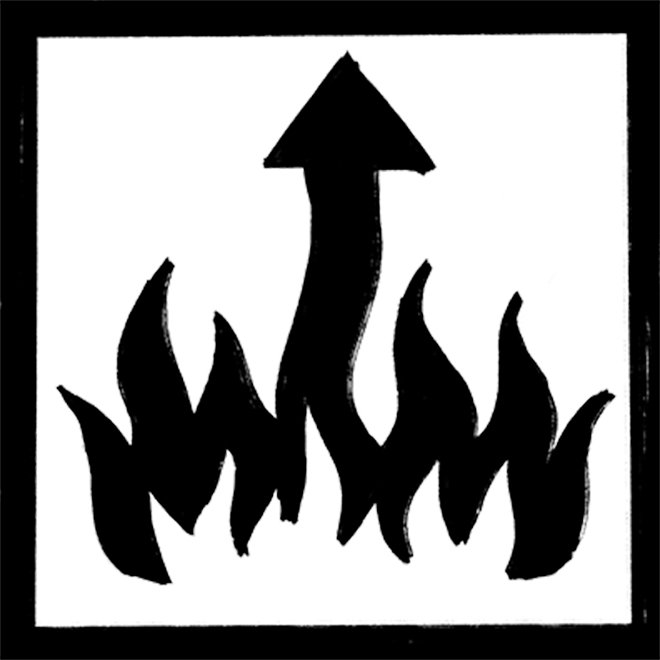
The Rising: Symbol of Resilience and Determination
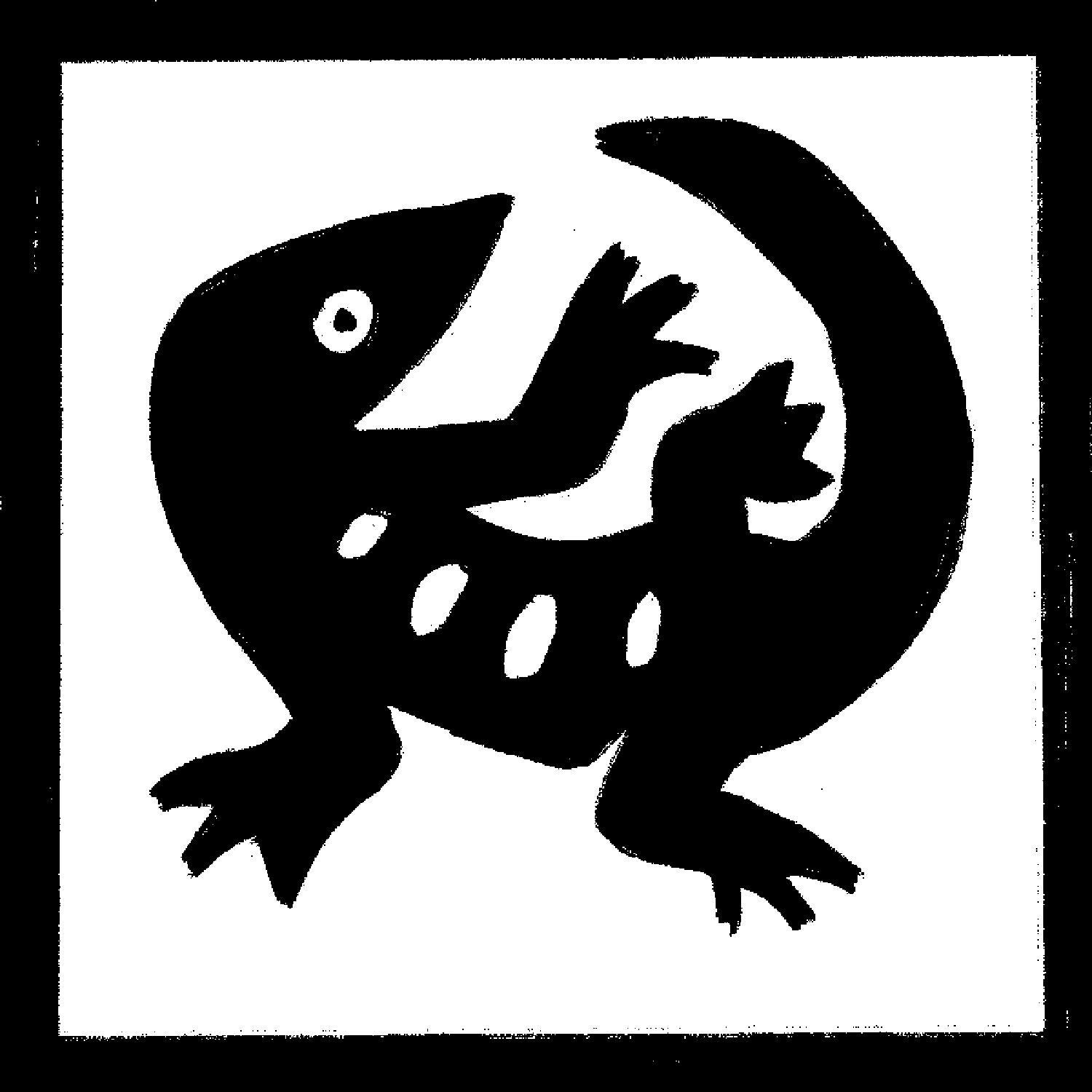
The Shift: Symbol of Adaptability