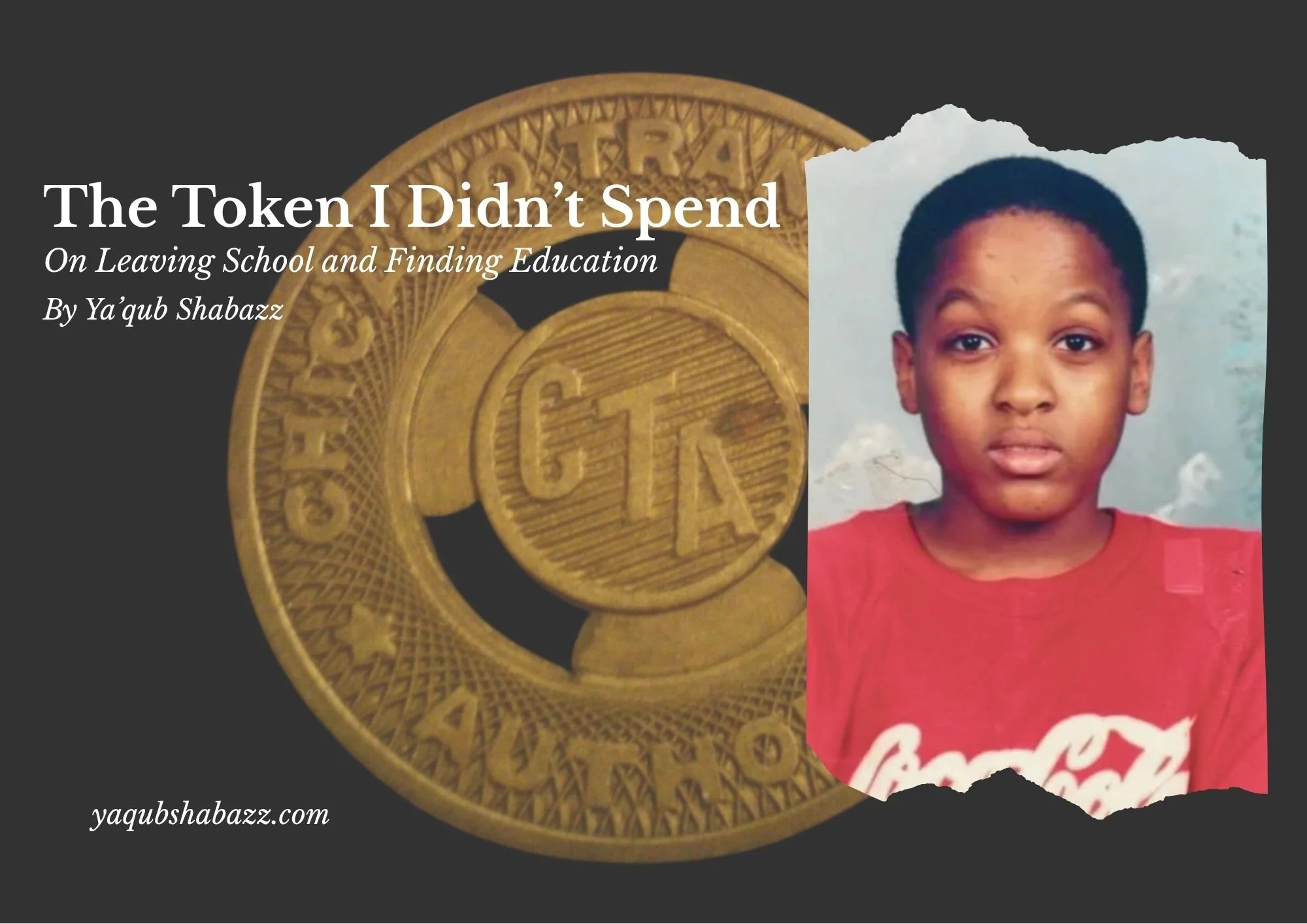
I’ve been thinking about this photograph lately. It’s me, around 1987, taken at Bryn Mawr Elementary School when I was in the eighth grade. I’ve never liked taking pictures, and even then I wasn’t comfortable in front of a camera. So what you’re seeing isn’t a performance. It’s just me, sitting still long enough for the moment to be captured.
When I look at that face now, I see a quiet alertness. My eyes are open, steady, and direct, not guarded, but already aware. There’s no smile to please anyone and no attempt to present something polished. Just a stillness, like I’m taking things in, even though I didn’t yet have the language for what I was noticing. There’s innocence there, but not naïve innocence. It sits right on the edge of awareness. I can see now that my mind was active, observant, already asking questions internally. The face hadn’t hardened yet, but it wasn’t empty either. It was in that in-between space, before experience fully shapes you, but after curiosity has already taken hold. That matters because that look wasn’t disengagement. It was misalignment.
Around that time, I started losing interest in school. Not education, school. There’s a difference. I remember reading my social studies books early in the semester. Within a few weeks, I’d be halfway through. I wasn’t struggling. If anything, I was ahead. But something about the classroom didn’t connect with me. The structure, pacing, and delivery of the material didn’t hold my attention. I wasn’t rejecting education. I was rejecting a container that couldn’t hold the way I learned.
Years later, I came across the work of Jawanza Kunjufu, who describes what he calls the “7th Grade Syndrome,” a pattern where many Black boys begin to disengage from school around that age, not because they lack ability, but because the system stops connecting with them. When I read that, it gave language to something I had already lived through. I wasn’t running from knowledge. I was moving toward it, just not where I was told it was supposed to be.
By the time I got to Chicago Vocational High School, what we called CVS or “the V,” that misalignment turned into action. I started cutting class and stepping outside of the system that was supposed to shape me. But I didn’t stop learning. I just changed locations. The Field Museum, the Museum of Science and Industry, and the Art Institute of Chicago became my classrooms.
There was a rhythm to it. I would move through the city, sometimes alongside a friend of mine, Damien, but even then, I was following my own direction. I would stop and grab a slice of pizza somewhere along the way, then walk to a comic book store not too far off. The owner would let me browse, and I would stay in there longer than I probably should have, flipping through pages and taking it all in.
I can remember walking down those side streets off Madison and nearby blocks, and that Chicago wind just howling, pushing me back. I would turn a corner, and the wind would suddenly stop, like stepping into a different space. In the winter, that cold air would cut straight across your face. You could feel the burn. It was brutal. But when the weather was good, being downtown during the day felt different. I could move through the crowd and blend in as just another person passing through. I was a smaller kid then, not very tall, and I could disappear into that movement. There was something freeing about that. I wasn’t being liberated in school, but out there, moving through the city on my own terms, I felt it.
Sometimes I had bus tokens that were supposed to get me to and from school. Instead, they got me downtown. If I had an extra one, I might sell it at the bus stop just to get something to eat. There were days when that was the decision: get back the way I was supposed to, or make sure I could eat while I was out there. Most days, I chose to stay out.
I would move from museums to libraries to bookstores, spending hours just exploring. No one guiding me, no one directing me, just following whatever pulled my attention. Looking back, I can see that I was building something, even if I didn’t know what to call it.
At the Art Institute, I would find a bench and sit for long stretches, just looking. I didn’t fully understand what I was seeing, but I knew it mattered. I remember being drawn to A Sunday Afternoon on the Island of La Grande Jatte by Georges Seurat. At that age, it felt profound to me that it was made in the 1800s. I had never seen anyone actually paint, so I believed these were the last paintings of their kind, that nobody was making work like that anymore.
I also didn’t see Black people in those paintings. So in my mind, art belonged to another time, another world. And still, I kept coming back. Even without guidance, without representation, something in me recognized value. Something told me to stay with it.
Looking back, I don’t see a kid who was lost. I see someone who stepped outside of one system and started building his own. That was a kind of migration, not across geography, but across ways of thinking. I moved from a space that didn’t hold me into one where I could begin shaping my own understanding.
That instinct is still with me. It shows up in my work, in the symbols I create, in how I think about memory, culture, and time. I didn’t know what I was becoming back then. I just knew I needed something I wasn’t being given.
Looking at that photograph now, I understand it differently. I wasn’t lost. I had already started finding my way.
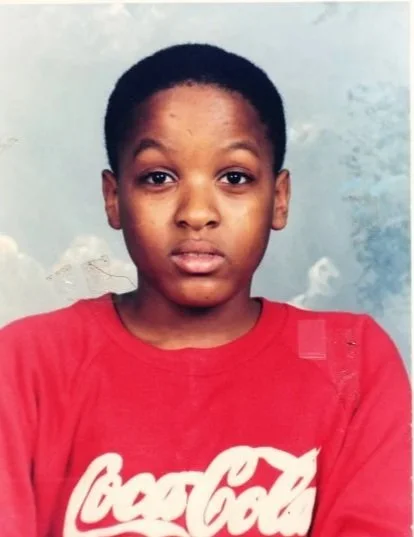
Ya’qub Shabazz in 1987/88
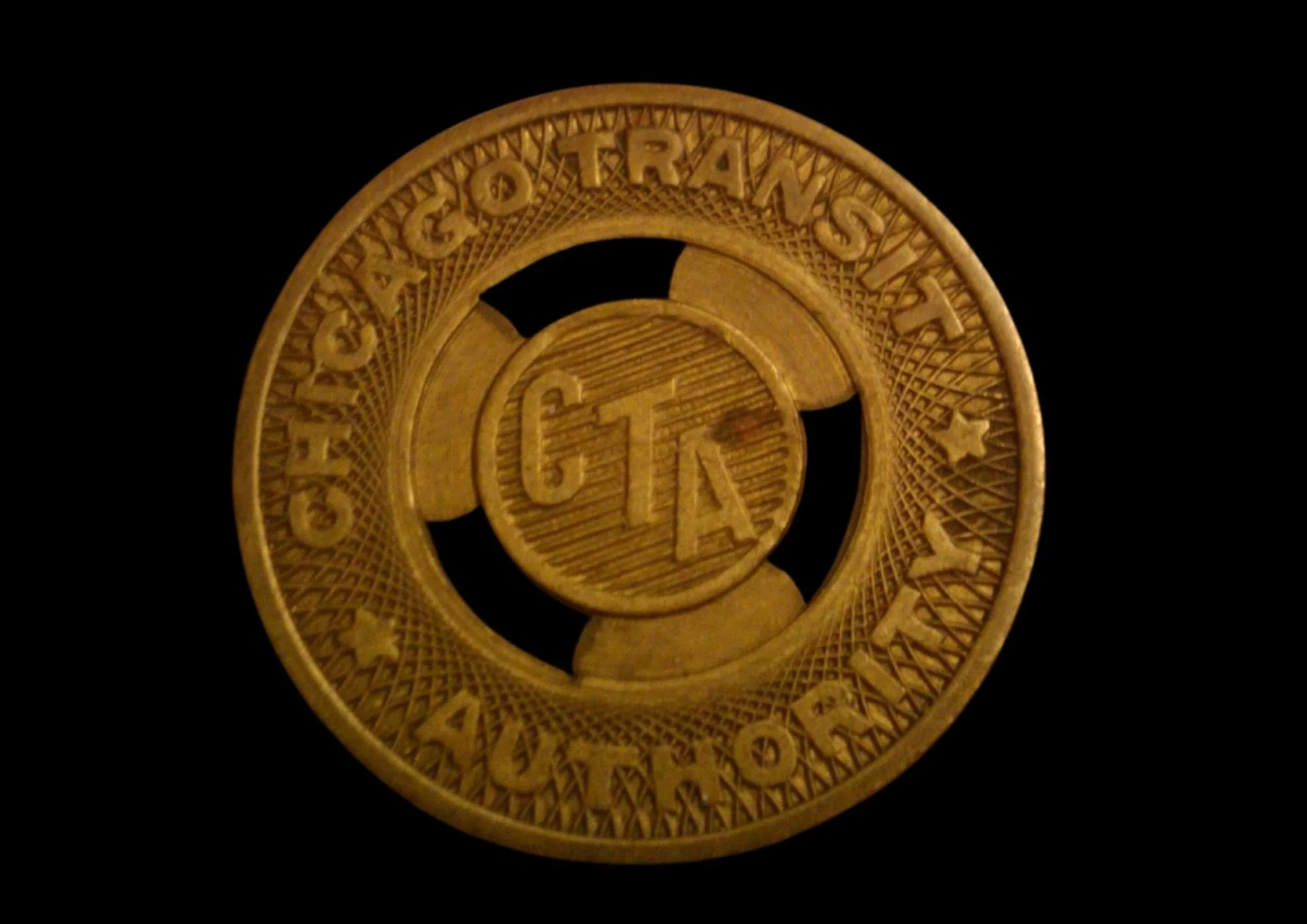
This token was supposed to take me to school.
Some days, it took me somewhere else.
Looking back, it still did its job.